


Finding the right place for your child’s early development is a top priority for parents. A daycare center can provide not only care but also a nurturing environment where children feel safe, learn, and grow. Understanding how a daycare center ensures this environment can help parents make informed decisions about their child’s early education and overall well-being.
Daycare Center: A Safe Space for Every Child
A daycare center is designed to provide a secure environment for children. Safety is the foundation of any reputable daycare, and it starts with well-trained staff, child-proofed facilities, and constant supervision. Every area, from classrooms to play zones, is set up to minimize risks and prevent accidents. The staff is trained in first aid, emergency procedures, and child behavior management, ensuring that every child is cared for responsibly. Safety measures also include proper hygiene practices, secure entry and exit points, and age-appropriate furniture and toys, creating a space where children can explore freely without unnecessary risks.
Qualified and Caring Staff
The caregivers at a daycare center play a crucial role in nurturing a child’s growth. These professionals are not only trained in early childhood education but also in understanding each child’s emotional and developmental needs. They provide guidance, support, and encouragement, fostering a positive and trusting relationship with every child. By maintaining a low child-to-caregiver ratio, the staff ensures that each child receives individualized attention, which is essential for emotional security and developmental progress.
Structured Learning and Play Activities
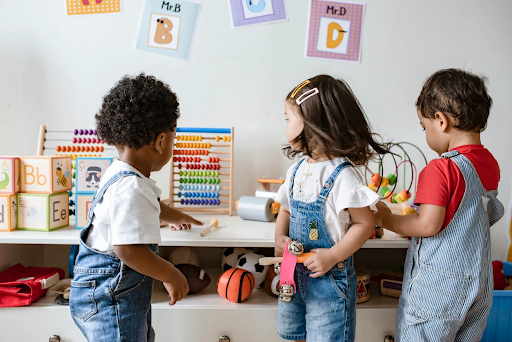
A quality daycare center balances structured learning with free play, recognizing that both are essential for a child’s growth. Through age-appropriate activities, children develop cognitive, social, and motor skills in a supportive environment. Structured activities, such as storytime, arts and crafts, and simple problem-solving exercises, stimulate learning while encouraging creativity. At the same time, playtime allows children to explore, interact with peers, and develop social skills, helping them build confidence and emotional resilience.
Healthy and Nutritious Meals
Nutrition is an important part of a child’s daily routine, and daycare centers often provide well-planned meals and snacks. These meals are designed to meet the nutritional needs of growing children, supporting both physical health and cognitive development. By offering a variety of healthy options and teaching children about balanced eating habits, daycare centers contribute to establishing lifelong healthy habits while ensuring that children receive the energy they need to stay active and engaged throughout the day.
Emotional Support and Social Development
A daycare center provides more than just physical care; it also nurtures emotional well-being. Children are encouraged to express their feelings, share with others, and develop empathy. Staff members guide children through social interactions, helping them resolve conflicts and build positive relationships with peers. By creating a supportive environment where children feel heard and valued, daycare centers help children develop emotional intelligence, self-confidence, and social skills that are crucial for their future interactions in school and beyond.
Parent Communication and Involvement
Transparency and communication with parents are key aspects of a daycare center’s approach. Regular updates on a child’s progress, daily activities, and any concerns help parents stay informed and involved. Many centers also offer opportunities for parents to participate in events, workshops, or volunteer activities, fostering a strong partnership between families and caregivers. This collaboration ensures that children receive consistent care and support, both at home and at the daycare center.
Conclusion
Choosing a daycare center for your child is an important decision, and understanding the safety and nurturing measures they provide can help you make the best choice. From a secure environment and qualified staff to structured learning, emotional support, and open communication with parents, a daycare center offers a holistic approach to early childhood care. By providing a safe, supportive, and enriching environment, daycare centers play a vital role in helping children grow into confident, healthy, and socially skilled individuals.
