


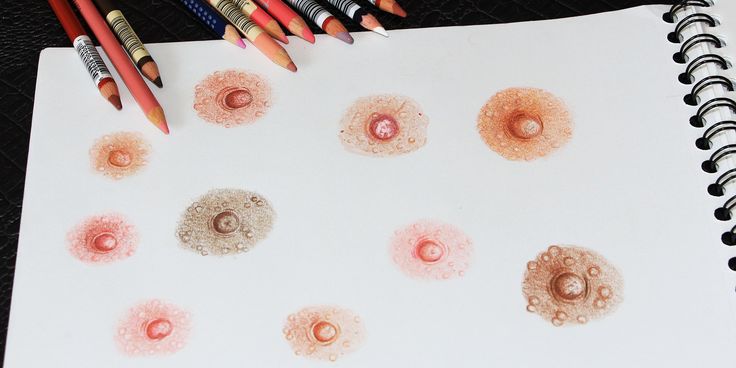
A 3D Areola tattoo in North Las Vegas is often considered the final step in the breast restoration journey. Whether following a mastectomy, breast reconstruction, gender-affirming surgery, or corrective breast procedures, this specialized form of paramedical tattooing helps recreate the appearance of a realistic nipple and areola using advanced artistic techniques. While the procedure is cosmetic in nature, many people view it as an important part of restoring confidence and completing their reconstruction.
Unlike decorative tattoos, 3D areola tattoos are designed to blend naturally with the surrounding skin through customized pigments, delicate shading, and optical illusions. The result is a remarkably lifelike appearance that complements each individual’s anatomy and personal goals. If you are considering this procedure, understanding how it works, what to expect, and how to choose the right practitioner can help you make an informed decision.
What Is a 3D Areola Tattoo?
A 3D areola tattoo is a highly specialized paramedical tattoo that creates the illusion of a natural nipple and areola on flat skin.
Instead of physically reconstructing a nipple, the procedure relies on carefully placed pigments and advanced shading techniques to create depth and dimension. By manipulating light and shadow, experienced medical tattoo artists can produce a realistic three-dimensional appearance.
The procedure is personalized for every patient to ensure the most natural-looking result possible.
Who Can Benefit from a 3D Areola Tattoo?
3D areola tattooing may be an option for individuals who have undergone various types of breast or chest surgery.
Common reasons include:
- Breast reconstruction after mastectomy
- Breast cancer treatment
- Gender-affirming chest surgery
- Nipple reconstruction
- Breast reduction surgery
- Breast lift procedures
- Corrective breast surgery
- Traumatic injury reconstruction
Eligibility depends on individual healing, medical history, and guidance from your healthcare provider.
How Does the 3D Effect Work?
The tattoo remains completely flat on the skin, yet appears raised because of carefully applied artistic techniques.
Medical tattoo artists create this illusion using:
- Soft highlights
- Layered shadows
- Gradual color transitions
- Controlled contrast
- Detailed pigment placement
These elements work together to mimic the way natural light falls across a projecting nipple.
Personalized Color Matching
One of the most impressive aspects of 3D areola tattooing is the ability to customize color.
Rather than selecting a standard shade, practitioners evaluate:
- Natural skin tone
- Warm or cool undertones
- Existing pigmentation
- Scar tissue
- Breast reconstruction results
Multiple pigment shades are blended together to recreate the subtle color variations found in natural anatomy.
Customizing Size and Shape
Every areola tattoo is designed specifically for the individual.
Factors considered include:
- Breast size
- Chest proportions
- Surgical reconstruction
- Patient preferences
- Symmetry
- Natural anatomy
Some patients choose to match an existing natural areola, while others work with the practitioner to create an entirely new design.
Tattooing Over Scar Tissue
Most individuals seeking restorative tattooing have some degree of surgical scarring.
Scar tissue behaves differently than healthy skin because it may:
- Heal differently
- Retain pigment unevenly
- Display altered texture
- Reflect light differently
Experienced paramedical tattoo artists adjust their techniques to accommodate these unique characteristics while creating smooth, realistic results.
The Consultation Process
Before treatment begins, a thorough consultation is typically scheduled.
During this appointment, the practitioner may discuss:
- Medical history
- Surgical procedures
- Healing progress
- Scar maturity
- Color preferences
- Desired appearance
- Realistic expectations
This planning stage helps ensure the procedure is personalized for your individual goals.
What Happens During the Procedure?
Although every clinic follows its own protocols, the procedure generally includes several steps.
These often involve:
- Reviewing the treatment plan.
- Discussing color selection.
- Mapping the placement.
- Applying customized pigments.
- Building realistic shading and highlights.
- Reviewing the completed tattoo.
The appointment length varies depending on the complexity of the restoration.
Does It Hurt?
Pain experiences differ from person to person.
Several factors influence comfort levels, including:
- Surgical history
- Scar sensitivity
- Nerve changes
- Individual pain tolerance
Some patients experience only mild discomfort, while others notice very little sensation because of altered nerve function following surgery.
Your practitioner can explain what to expect based on your specific situation.
Healing Timeline
Healing generally occurs over several weeks.
During recovery, you may notice:
First Few Days
- Mild redness
- Slight swelling
- Temporary tenderness
- Darker pigment
First Two Weeks
- Light peeling
- Reduced redness
- Softening color
- Improved comfort
Following Weeks
- Pigment stabilization
- Natural color development
- More realistic shading
- Final healing
Following your aftercare instructions is essential for optimal results.
Will Touch-Ups Be Needed?
Touch-up appointments are common in paramedical tattooing.
A follow-up session may help:
- Reinforce faded areas
- Improve color consistency
- Enhance symmetry
- Refine shading
Whether a touch-up is recommended depends on individual healing and pigment retention.
Choosing the Right Practitioner
Selecting an experienced medical tattoo artist is one of the most important decisions you will make.
Look for someone with:
- Specialized paramedical tattoo training
- Experience with breast reconstruction patients
- Knowledge of scar tissue
- Advanced color theory expertise
- Excellent hygiene practices
- A portfolio of healed restorative work
An experienced practitioner combines technical precision with artistic skill to achieve realistic results.
Safety and Hygiene
Professional treatment environments should follow strict infection prevention standards.
Important safety practices include:
- Single-use sterile needles
- Proper hand hygiene
- Surface disinfection
- Safe pigment handling
- Cross-contamination prevention
- Clean treatment rooms
Never hesitate to ask your practitioner about their safety protocols.
Long-Term Care
Although 3D areola tattoos are long-lasting, gradual fading is a natural part of the skin’s aging process.
To help maintain results:
- Protect the area from excessive sun exposure.
- Follow recommended skincare advice.
- Attend follow-up appointments if advised.
- Consider touch-ups when appropriate.
Routine maintenance helps preserve the tattoo’s realistic appearance.
Common Myths
Several misconceptions surround 3D areola tattooing.
In reality:
- The tattoo creates a visual illusion rather than a physical nipple.
- Every design is fully customized.
- Scar tissue can often be tattooed once fully healed.
- Results are long-lasting but not permanent forever.
- Specialized training is required to perform the procedure safely.
Learning the facts can help you approach treatment with confidence.
The Emotional Impact
For many individuals, the benefits extend beyond appearance.
Some patients report that completing their reconstruction helps them feel:
- More confident
- More comfortable with their body
- More satisfied with reconstruction
- Ready to move forward
Others may choose not to pursue tattooing, and that choice is equally valid. Every restoration journey is personal.
Conclusion
A 3D areola tattoo is much more than a cosmetic procedure—it is a highly specialized form of paramedical tattooing that combines medical expertise with artistic precision to recreate the appearance of a natural nipple and areola. Through personalized color matching, advanced shading techniques, and careful treatment planning, skilled practitioners can produce realistic results that complement each patient’s unique anatomy and reconstruction journey. From the initial consultation to the healing process and long-term maintenance, every stage of the procedure is tailored to support safe, natural-looking outcomes.
Whether you are recovering from breast cancer treatment, gender-affirming surgery, or another reconstructive procedure, understanding the process can help you make informed decisions about your restorative options. By choosing an experienced paramedical tattoo artist, following proper aftercare, and maintaining realistic expectations, you can approach 3D areola tattooing with confidence as one possible step toward completing your personal journey of healing and restoration.
