


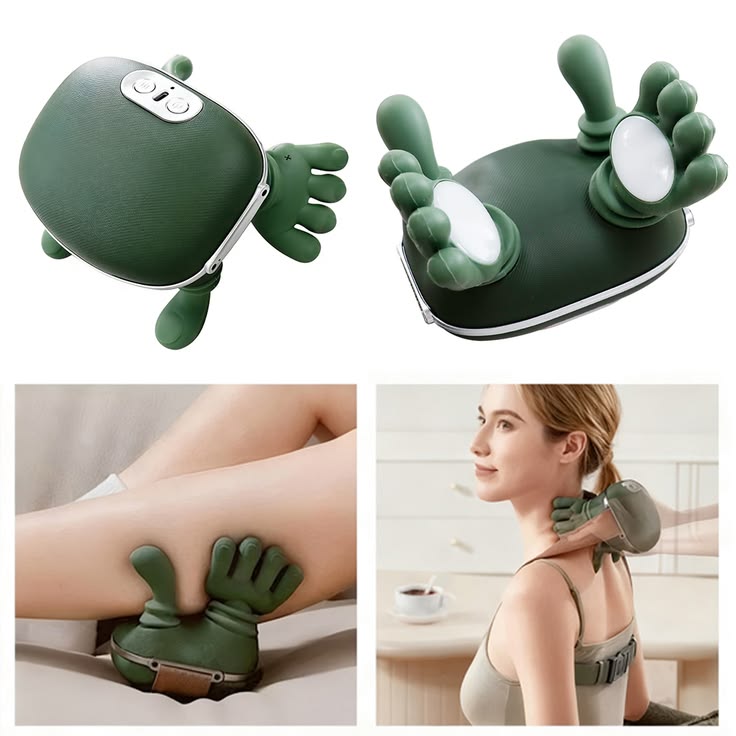
The decision between investing in a personal massager or relying on professional spa visits often comes down to cost, convenience, and long-term effectiveness. Both options aim to relieve muscle tension in the neck, shoulders, and upper back, but they deliver results in very different ways.
Understanding how each approach works in real life helps determine whether a personal massager is truly worth it for your routine and lifestyle.
What Spa Massage Actually Offers
Professional spa or therapeutic massage is often considered the gold standard for muscle relaxation Neck shoulder massager.
Skilled Manual Technique
A trained therapist can adjust pressure, rhythm, and focus areas in real time based on muscle response. This adaptability is something machines cannot fully replicate.
Deep Relaxation Environment
Spas are designed to promote calmness through:
- Quiet surroundings
- Controlled lighting
- Stress-free atmosphere
This environment enhances overall relaxation beyond physical treatment.
Full-Body Assessment
Therapists can identify imbalance patterns and adjust techniques accordingly, offering a more holistic experience.
Limitations of Spa Visits
Despite the benefits, spa visits come with practical drawbacks.
High Recurring Cost
Regular sessions can become expensive over time, especially for chronic tension management.
Limited Accessibility
Appointments may not always align with your schedule or immediate need for relief.
Short-Term Relief
While effective, the benefits often last a few days without consistent follow-up care.
What a Personal Massager Offers
A personal massager is a home-based tool designed for repeated, on-demand use.
Immediate Access to Relief
You can use it anytime without scheduling or travel.
Consistency of Use
Regular short sessions help manage daily muscle tension more effectively.
Targeted Muscle Focus
Modern devices are designed specifically for:
- Neck stiffness
- Shoulder knots
- Upper back fatigue
Types of Personal Massagers
Wearable Shoulder Massagers
Ideal for daily use while resting or multitasking at home.
Neck Pillow Massagers
Compact and portable, suited for travel or quick sessions.
4D Kneading Devices
Designed for deeper muscle penetration and more intense relief.
Key Differences Between Home Devices and Spa Treatments
1. Cost Over Time
Spa Visits:
- High per-session cost
- Recurring expense for maintenance
Personal Massagers:
- One-time purchase
- Long-term use without additional cost
2. Convenience
Spa:
- Requires booking and travel
- Fixed appointment times
Home Device:
- Available instantly
- Can be used multiple times per day
3. Customization
Spa:
- Human therapist adjusts technique dynamically
Home Device:
- Adjustable intensity and modes, but no real-time human adaptation
4. Consistency
Spa:
- Occasional sessions due to cost/time limits
Home Device:
- Daily or even multiple short sessions possible
5. Depth of Experience
Spa:
- More holistic relaxation environment
Home Device:
- Focused physical muscle relief
Which One Works Better for Pain Relief?
The answer depends on the type of pain and usage pattern.
For Chronic Muscle Tension
Personal massagers often provide better long-term management because they can be used consistently.
For Deep, Complex Body Work
Spa treatments may be more effective due to therapist skill and full-body assessment.
For Daily Stress Relief
Home devices are more practical and immediately accessible.
The Real Value of a Personal Massager
The true advantage is not replacing spas, but supplementing them.
Daily Maintenance
A massager helps prevent tension from building up between professional sessions.
Cost Efficiency
Over time, a single device can replace dozens of spa visits.
Time Flexibility
You can address discomfort exactly when it appears, not days later.
When a Spa Still Makes Sense
Even with a personal device, spas remain valuable in certain cases.
Severe or Complex Pain
Professional assessment may be necessary for deeper issues.
Full Relaxation Experience
Spas provide an environment that enhances mental relaxation beyond physical relief.
Occasional Reset
Some people prefer periodic professional sessions for overall wellness.
The Best Approach: Combining Both
Many users find the most effective strategy is a hybrid approach.
Use Personal Massager For:
- Daily tension
- Work-related stiffness
- Quick recovery sessions
Use Spa Visits For:
- Occasional deep therapy
- Full-body relaxation
- Specialized treatment
Why Personal Massagers Are Increasingly Popular
Several lifestyle trends have increased demand for home-based recovery tools.
Remote and Desk-Based Work
More people experience daily shoulder and neck strain.
Time Constraints
Busy schedules reduce access to regular spa visits.
Focus on Self-Care at Home
Convenience and privacy are becoming more important.
Final Thoughts
A personal massager is not a direct replacement for professional spa therapy, but it offers something equally important: consistent, convenient, and cost-effective muscle relief at home.
For most people dealing with daily neck and shoulder tension, a home device provides more practical long-term value because it supports regular recovery rather than occasional treatment. When combined with occasional professional care, it becomes part of a balanced and highly effective approach to managing muscle stress and improving overall comfort.
