


Why Overuse Injuries Are So Common in Training
Overuse injuries develop gradually when the same joints and muscles are repeatedly stressed without enough recovery or preparation. In fitness routines that include running, weightlifting, cycling, or functional training, the knees are especially vulnerable because they absorb force from nearly every lower-body movement.
Unlike sudden injuries, overuse issues often start quietly. A bit of stiffness here, mild discomfort there, and eventually reduced mobility or pain during exercise. Many athletes only notice the problem once performance begins to decline.
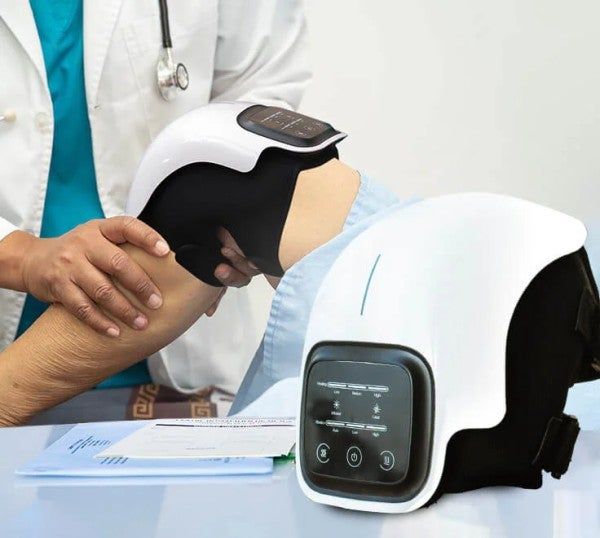
A proper warm-up is one of the most effective ways to prevent these issues, and a knee massager uk can be a useful addition to that preparation routine when used correctly.
The Importance of Pre-Workout Knee Preparation
Before intense movement, the knee joint needs to be ready to handle load and range of motion. Cold, tight muscles can restrict movement patterns and force the joint to compensate, increasing stress on ligaments, tendons, and cartilage.
Pre-workout preparation is not just about stretching. It involves increasing blood flow, activating surrounding muscles, and improving joint mobility. When the tissues around the knee are warm and relaxed, movement becomes smoother and more controlled.
This preparation helps reduce the risk of strain during squats, lunges, jumps, and directional changes—all of which place high demand on the knee joint.
How a Knee Massager Prepares the Joint for Exercise
A knee massager works by gently stimulating the tissues around the joint using compression, vibration, or heat. When used before a workout, it helps transition the knee from a resting state to an active state.
One of the primary benefits is increased circulation. Gentle stimulation encourages blood flow to the quadriceps, hamstrings, and surrounding stabilizing muscles. This increase in circulation helps deliver oxygen to the tissues, making them more responsive and flexible during movement.
Heat therapy, when included, plays a significant role in loosening tight connective tissues. Warm muscles are less resistant to stretching and contraction, which allows the knee to move through its full range of motion more safely.
Compression massage can also help reduce minor stiffness that may have developed from sitting, standing, or previous workouts. By easing this tightness before exercise, the knee is less likely to be overloaded during sudden or heavy movements.
Improving Joint Mobility Before High-Impact Activity
One of the key advantages of using a knee massager pre-workout is improved mobility. When muscles surrounding the knee are tight, they can restrict movement and force the joint to work harder than necessary.
Gentle massage helps relax these muscle groups, especially the quadriceps and calves, which play a major role in knee alignment. When these muscles are properly activated and relaxed, the knee can track more naturally during movement.
This improved alignment reduces uneven stress on the joint, which is a common cause of overuse injuries. Over time, better mobility before workouts contributes to more efficient and safer movement patterns.
Reducing Injury Risk Through Muscle Activation
A knee massager does more than relax muscles—it can also help activate them. Light stimulation signals the nervous system to increase awareness and responsiveness in the surrounding tissues.
This activation is important before exercises like squats or lunges, where proper muscle engagement is essential for stability. When the muscles are “awake” and responsive, they provide better support to the knee joint during load-bearing movements.
This reduces the likelihood of compensation patterns, where weaker or tight muscles force the knee to absorb unnecessary stress.
How to Use a Knee Massager Before Workouts Safely
Using a knee massager before exercise should be done with balance and control. The goal is preparation, not deep relaxation or fatigue.
A short session of 5 to 10 minutes is usually enough. Intensity should remain low to moderate, focusing on gentle warming and activation rather than deep pressure. The device should be used on the muscles around the knee rather than directly forcing pressure on sensitive joint areas.
After using the massager, light dynamic movements such as bodyweight squats, leg swings, or walking lunges can further enhance readiness for training.
It is important not to overuse the device before workouts, as excessive relaxation may temporarily reduce muscle responsiveness instead of improving it.
Supporting Long-Term Joint Health
Preventing overuse injuries is not just about one workout—it is about long-term joint care. Consistently preparing the knees before exercise helps reduce cumulative stress over time.
When the joint is properly warmed and supported before activity, each training session becomes less taxing on the body. This allows athletes and fitness enthusiasts to train more consistently with fewer interruptions from pain or injury.
A knee massager, when used as part of a structured warm-up routine, can help maintain this balance between performance and protection.
Conclusion
Overuse injuries often develop slowly, but they can significantly impact training progress and daily movement. Preparing the knees before exercise is one of the most effective ways to reduce this risk.
A knee massager offers a simple and efficient way to increase circulation, improve mobility, and activate surrounding muscles before workouts. When used correctly, it enhances warm-up routines and supports healthier movement patterns.
While it should not replace proper stretching, strength training, or technique work, it can be a valuable addition to a pre-workout strategy focused on long-term joint protection and consistent performance.
